How Smart Home Automation Can Save Electricity

Introduction
Smart home automation is no longer just a luxury, it’s becoming a practical solution for improving energy efficiency and reducing electricity bills. With energy costs rising, homeowners are turning to smart home energy management systems that automatically monitor, control, and optimize power usage. But how exactly do these smart technologies save electricity? Let’s explore.
1. Understanding Smart Home Energy Management
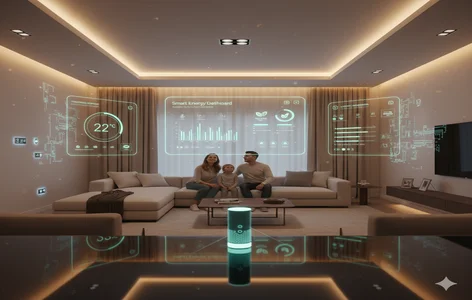
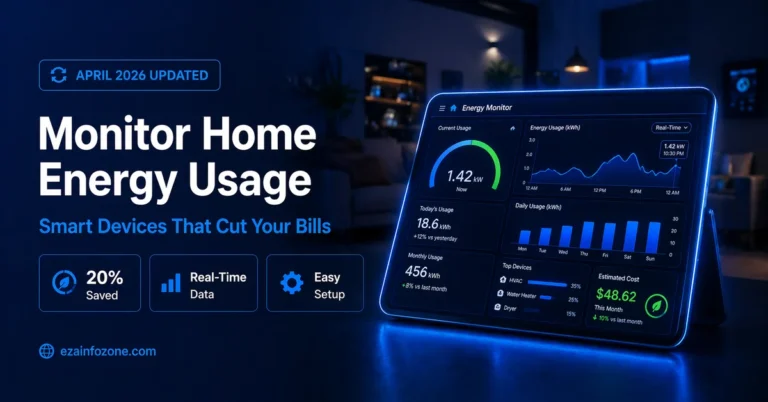
At its core, smart home energy management uses connected devices and sensors to track how energy is consumed throughout your home. These systems gather real-time data on your lights, heating, cooling, and appliances, then make intelligent adjustments to minimize waste.
- Smart meters and energy automation systems monitor your daily electricity patterns.
- AI algorithms analyze when and where power is being wasted.
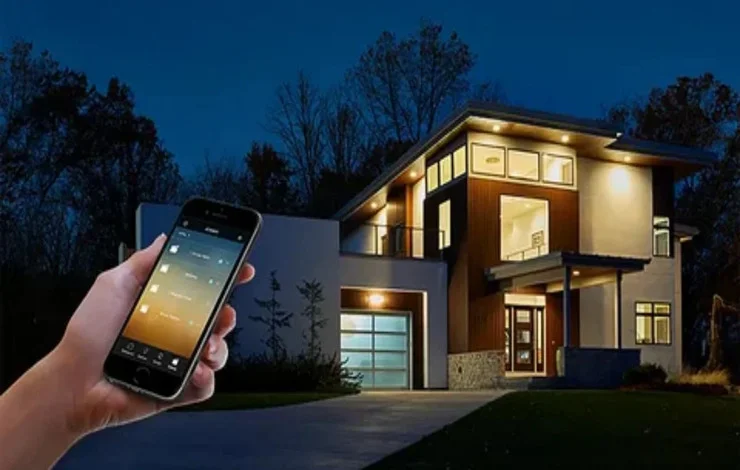
- You can view everything through a mobile app, giving you full control over your home’s energy flow.
2. Smart Devices That Reduce Power Consumption
Smart automation works through a network of devices designed to make your home more energy efficient.
Smart Thermostats
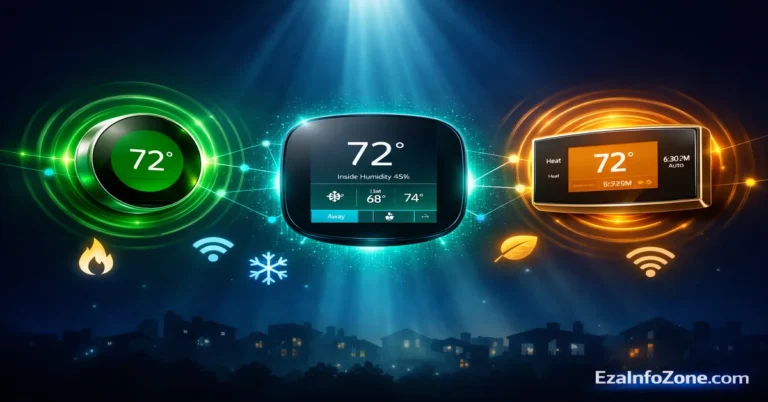
Automatically adjust heating and cooling based on your habits and presence. For example, they turn off when no one is home, saving up to 20% on HVAC energy.
Smart Lighting Systems
These lights dim or switch off automatically when rooms are unoccupied. Motion sensors and daylight sensors ensure zero wastage.
Smart Plugs & Appliances
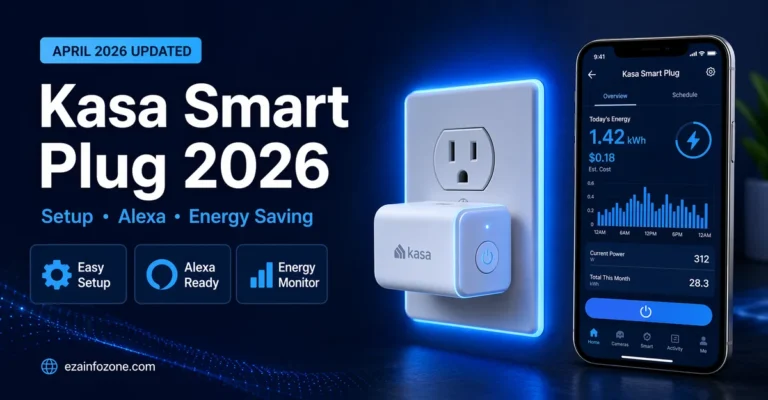
Control any plugged device remotely. You can schedule high-energy appliances to run during off-peak hours, cutting costs further.
3. Real-Time Energy Automation
Energy automation takes smart home efficiency a step further. It uses AI and IoT (Internet of Things) technology to automatically optimize when and how your devices consume power.
- Automatically shuts down idle electronics.
- Balances load between appliances to prevent spikes.
- Integrates with solar panels or backup batteries for smarter distribution.
The result? A significant reduction in electricity usage, without sacrificing comfort.
4. Benefits of Smart Home Automation
Implementing smart automation offers more than just savings. Here are the top benefits of smart home automation:
- Lower Electricity Bills: Smart energy savings directly reduce your monthly utility expenses.
- Sustainability: Reduced power consumption means a smaller carbon footprint.
- Convenience: Control everything via your smartphone or voice assistant.
- Increased Property Value: Energy-efficient homes attract eco-conscious buyers.
5. Explore Our Smart Home Energy Tools
To help you plan and maximize your energy efficiency, we’ve developed a set of free interactive tools you can use right now:
Voice Assistant Compatibility
Check which devices in your home work best with Alexa, Google Assistant, or Siri, ensuring smooth automation control.
Smart Lighting Planner
Plan your lighting setup room by room, estimate energy savings, and discover how smart bulbs reduce electricity waste.
Room Automation Estimator
Get a customized estimate of how much energy you can save by automating different rooms in your home, living room, kitchen, or bedroom.
Solar Power Estimator
Curious how solar energy fits your smart system? This tool calculates how many solar panels you’d need and the potential reduction in your grid electricity usage.
Cost Saving Analysis Tool
Find out your potential monthly and yearly electricity savings by comparing traditional vs. smart home systems.
Smart Camera Comparison Tool
Compare energy efficient smart cameras based on features, power usage, and cost, so you can secure your home without high electricity costs.
These tools make it easier to plan, calculate, and visualize how smart automation directly reduces your energy bills.
6. Smart Home Energy Efficiency in Action
Case studies show that households using smart home energy efficiency systems can save between 10–30% on annual electricity costs. Even small upgrades, such as switching to smart bulbs and programmable thermostats, create noticeable long-term savings.
7. The Future of Energy Automation Systems
With continuous improvements in home automation trends, the next generation of smart systems will automatically learn your lifestyle and predict your energy needs before you even notice them. Integration with renewable sources like solar energy will make homes almost self-sufficient.
Conclusion
Smart home energy management isn’t just about convenience, it’s about building a sustainable future. By automating lighting, climate, and appliances, and using interactive tools like our Solar Power Estimator or Smart Lighting Planner, you can achieve smart home energy savings while living more comfortably and responsibly.
Start exploring these tools today to make your home smarter, and your electricity bills smaller.