Aging in Place with Smart Home Technology:
The Complete 2026 Guide to Independent Living for Seniors
With over 77% of American seniors wanting to remain in their homes as they age, smart home technology has become essential for safe, independent living. This comprehensive guide explores cutting-edge solutions from fall detection systems to AI-powered health monitoring that enable aging in place while giving families peace of mind.
Understanding Aging in Place: Why Seniors Choose to Stay Home
Aging in place refers to the ability to live safely, independently, and comfortably in one’s own home and community for as long as possible, regardless of age or ability level. This concept has gained tremendous momentum across the United States as the Baby Boomer generation enters retirement age.

By 2030, an estimated 72 million Americans, over 20% of the population will be 65 or older. Currently, approximately 90% of seniors express a strong desire to age in place, with nearly three-quarters actively planning to remain in their current homes throughout their retirement years.
The preference for aging in place stems from multiple factors. Seniors value the emotional connection to their homes, the independence it provides, familiarity with their neighborhoods, proximity to friends and family, and often, the financial advantages compared to assisted living facilities or nursing homes.
The Financial Reality of Aging in Place vs. Senior Care Facilities
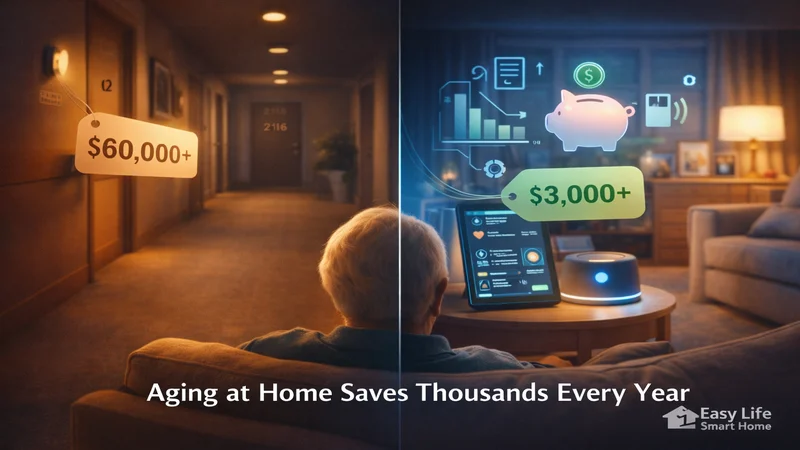
The economics of aging in place are compelling. In 2025, the median annual cost of assisted living in the United States exceeds $60,000, while nursing home care can range from $95,000 to over $120,000 annually for a semi-private room. By contrast, implementing smart home technology for aging in place typically requires an initial investment of $3,000 to $15,000, with minimal ongoing costs.
Even when factoring in home modifications, in-home care services, and smart technology investments, aging in place remains significantly more affordable for most families over the long term. Furthermore, Medicare Advantage plans are increasingly covering remote patient monitoring devices, making smart home healthcare technology more accessible than ever.
The Smart Home Technology Revolution for Senior Care
Smart home technology has transformed from a luxury to an essential tool for senior independence. The global smart home healthcare market, valued at $5.88 billion in 2024, is projected to reach $12.71 billion by 2033, driven largely by the aging population’s needs.
These technologies leverage the Internet of Things (IoT), artificial intelligence (AI), and machine learning to create responsive, adaptive home environments that can monitor health, prevent accidents, and provide instant emergency response, all while preserving the dignity and independence seniors value.
What Makes Smart Homes ‘Smart’ for Aging in Place?
Smart home devices for seniors are internet-connected products that can be controlled remotely via smartphone, tablet, or voice commands. More importantly, they can learn patterns, send alerts, and make automated decisions to enhance safety and comfort.
Key capabilities include:
- Remote monitoring and control of home systems.
- Real-time health data collection and transmission to caregivers.
- Automated emergency alerts and responses.
- Pattern learning to detect anomalies in daily routines.
- Voice-activated assistance for hands-free operation.
Fall Detection Systems: The #1 Priority for Aging in Place
Falls represent the leading cause of injury and institutionalization for seniors. According to the CDC, one in four adults aged 65 and older experiences a fall each year, resulting in over 3 million emergency department visits annually. More alarmingly, falls are the number one reason older adults are moved from independent living to assisted care facilities.
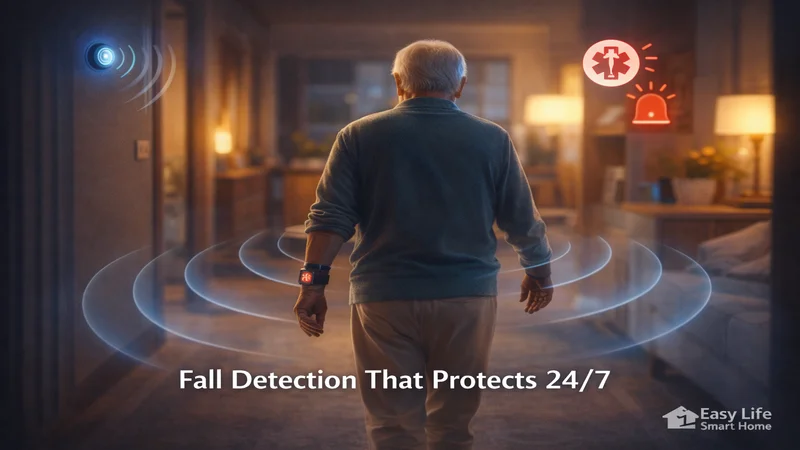
Modern fall detection technology has evolved dramatically, offering multiple detection methods with accuracy rates exceeding 95%. These systems combine sensors, AI algorithms, and immediate alert capabilities to ensure rapid response when falls occur.
Types of Fall Detection Technology
Wearable Fall Detectors
Smartwatches and pendants equipped with accelerometers and gyroscopes can detect sudden changes in movement consistent with falling. The Apple Watch Series 8 and later models include automatic fall detection that contacts emergency services if the wearer is unresponsive. Medical alert devices from companies like Life Alert, Medical Guardian, and Philips Lifeline offer similar capabilities with professional monitoring services.
Non-Wearable Fall Detection Systems
Ambient sensors installed throughout the home use radar, infrared, or pressure-sensitive technology to detect falls without requiring the senior to wear any device. Products like Nobi Smart Lamps combine lighting with fall detection cameras that use AI to distinguish between normal activities and falls. These systems are particularly valuable for seniors with dementia who may forget to wear devices.
Hybrid Fall Detection Solutions
The most comprehensive approach combines both wearable and ambient sensors. Systems integrate data from multiple sources to reduce false positives while ensuring no fall goes undetected, regardless of whether the senior is wearing their device at that moment.
Smart Lighting: Fall Prevention Through Illumination
Poor lighting contributes to over 45% of falls in the home, particularly during nighttime bathroom trips. Smart lighting systems address this critical safety concern through motion-activated illumination, scheduled lighting adjustments, and pathway lighting that guides seniors safely through their homes after dark.
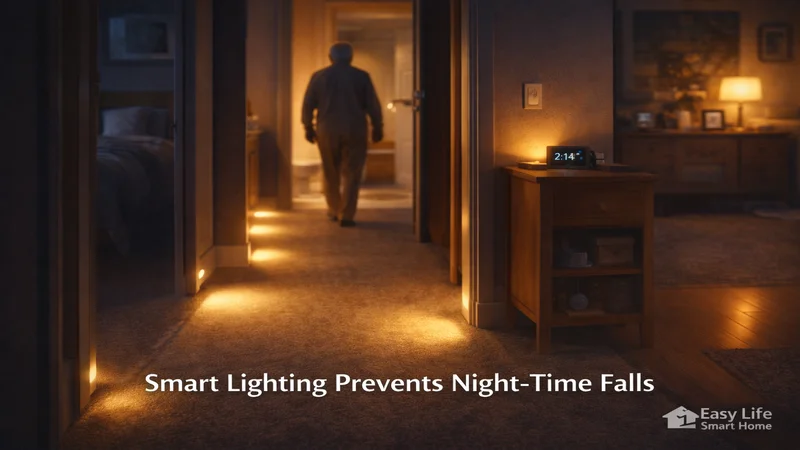
Key smart lighting features for seniors:
- Motion-activated nightlights in hallways, bathrooms, and stairways
- Gradual brightness adjustment to prevent sudden glare when waking
- Color temperature control for circadian rhythm support
- Voice control for hands-free operation
- Automated scheduling that learns daily patterns
Popular options include Philips Hue, LIFX, and Sengled bulbs, which integrate with Amazon Alexa, Google Home, and Apple HomeKit for seamless voice control. Installation is simple, most systems require only screwing in smart bulbs and connecting them to Wi-Fi.
Remote Patient Monitoring: Bringing Healthcare Home
Remote patient monitoring (RPM) represents one of the fastest-growing segments of smart home healthcare technology. By 2025, an estimated 70 million Americans will use RPM devices, with Medicare and many insurance providers now covering these technologies.
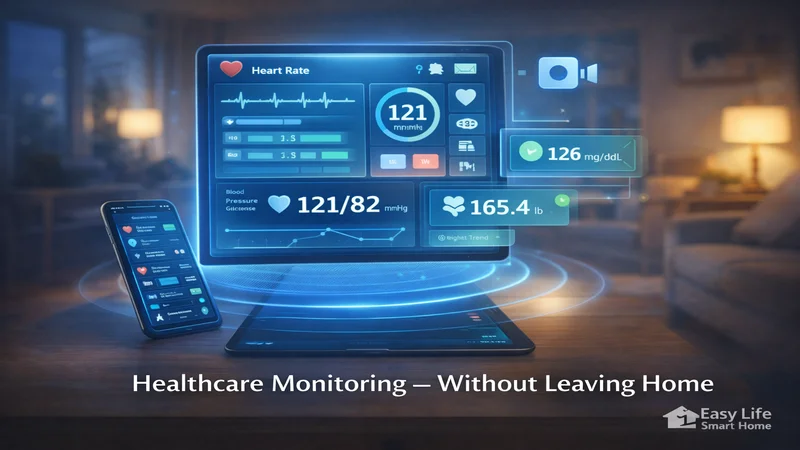
RPM devices continuously track vital signs and health metrics, transmitting data to healthcare providers who can intervene early when concerning trends emerge. This proactive approach reduces emergency room visits by 25-40% and hospital readmissions by up to 50% for patients with chronic conditions.
Essential Remote Monitoring Devices for Seniors
Smart Blood Pressure Monitors
Connected blood pressure cuffs automatically measure and log readings, sharing them with physicians through secure portals. Devices like Omron Complete and Withings BPM Connect provide clinical-grade accuracy and can detect irregular heartbeats, prompting users to seek medical attention.
Continuous Glucose Monitors (CGMs)
For seniors with diabetes, CGMs like Dexcom G7 and Abbott FreeStyle Libre 3 eliminate finger-stick testing while providing real-time glucose data to users, caregivers, and healthcare providers. These systems can predict dangerous glucose swings hours in advance, enabling preventive action.
Smart Scales and Body Composition Monitors
Wi-Fi connected scales track weight trends, which can indicate fluid retention in heart failure patients or malnutrition concerns. Premium models measure body composition, including muscle mass and bone density, critical metrics for aging adults.
Smart Medication Dispensers
Medication non-adherence causes over 125,000 deaths annually and costs the healthcare system $290 billion. Smart pill dispensers like Hero Health and MedMinder provide audible and visual reminders, dispense the correct medication at scheduled times, and alert caregivers if doses are missed. Some models can even coordinate automatic refills with pharmacies.
Smart Toilet Seats and Bathroom Monitoring
Innovative products like the Casana Heart Seat measure heart rate, blood pressure, and blood oxygen levels while seniors use the toilet, gathering critical health data without any effort or intrusion. This passive monitoring approach is ideal for seniors who resist wearing devices.
Voice-Activated Assistants: The Senior’s Best Digital Companion
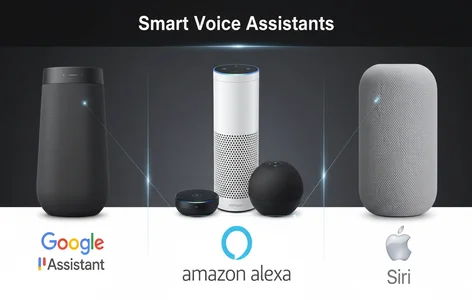
Voice assistants like Amazon Alexa, Google Assistant, and Apple’s Siri have become invaluable tools for seniors aging in place. These hands-free devices eliminate the need to navigate complex smartphone interfaces, providing instant access to information, entertainment, and emergency assistance through simple voice commands.
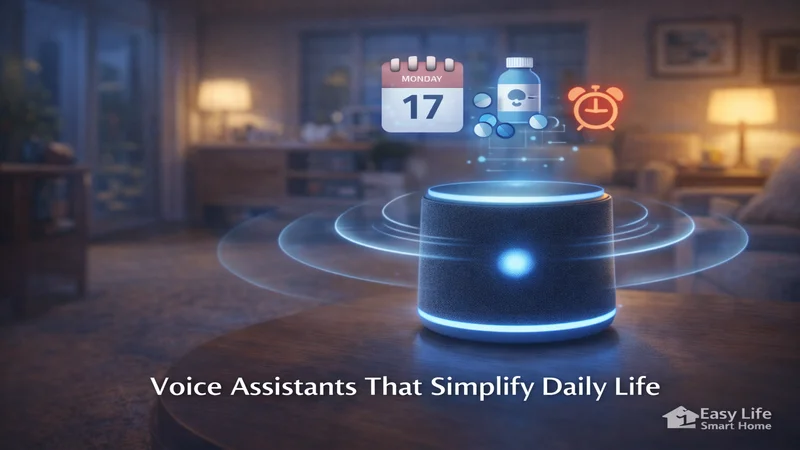
Essential voice assistant capabilities for seniors:
- Medication reminders and health appointment notifications
- Emergency calling (‘Alexa, call 911’ or ‘Hey Google, call my daughter’)
- Weather updates and news briefings
- Music, podcasts, and audiobook playback
- Video calling with family (on devices with screens)
- Smart home device control (lights, thermostats, locks)
- Cognitive engagement through games, trivia, and brain exercises
Studies show that seniors who regularly use voice assistants report reduced feelings of loneliness and improved cognitive engagement. The Echo Show and Google Nest Hub models with screens are particularly popular, enabling video calls with grandchildren and visual displays of information.
Smart Doorbells and Locks: Security Without Rushing
Many falls occur when seniors rush to answer the door. Smart doorbells eliminate this risk by allowing seniors to see and speak with visitors from their smartphone or tablet before deciding whether to get up. Some models integrate with smart locks, enabling remote door unlocking for trusted visitors like home healthcare workers or family members.
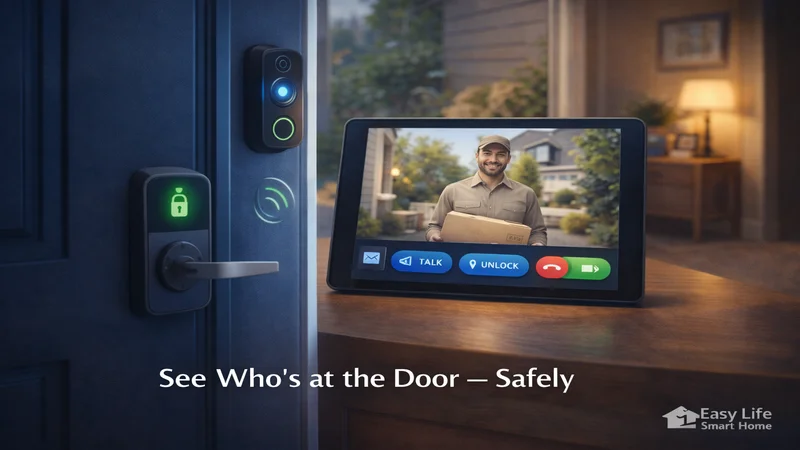
Popular smart doorbell options:
- Ring Video Doorbell: HD video, two-way audio, motion detection
- Google Nest Doorbell: Person detection, pre-recorded responses
- Arlo Video Doorbell: Package detection, emergency call button
Smart locks like August, Schlage Encode, and Yale Assure provide keyless entry, eliminating fumbling with keys at the door. Family members can check lock status remotely and receive alerts when doors are opened, providing peace of mind that loved ones are safely home.
Environmental Safety: Smoke, Gas, and Water Leak Detection
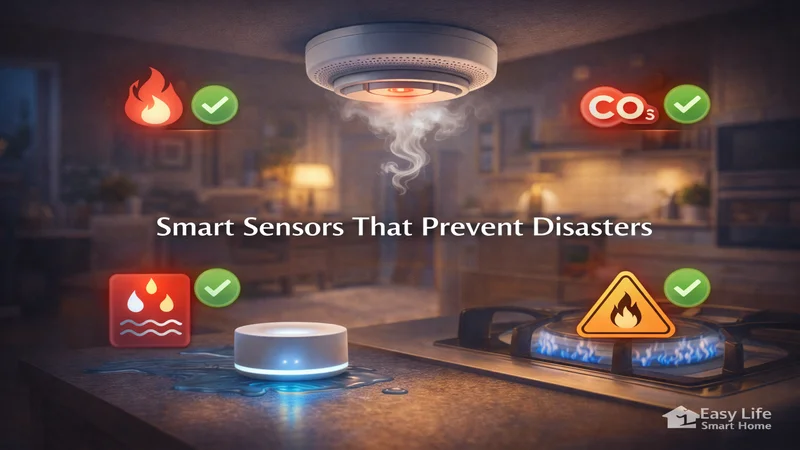
Seniors are disproportionately affected by home fires, accounting for 32% of fire-related deaths despite representing just 13% of the population. Diminished sense of smell and slower reaction times increase risk, making smart environmental sensors essential for aging in place safety.
Critical environmental monitoring devices:
- Smart Smoke and CO Detectors: Nest Protect provides smartphone alerts, voice alarms, and integration with other smart home systems
- Stove Auto-Shutoff Devices: iGuardStove and CookStop prevent kitchen fires by automatically shutting off stoves when unattended
- Water Leak Sensors: Flo by Moen and Phyn Plus detect leaks and can automatically shut off water supply
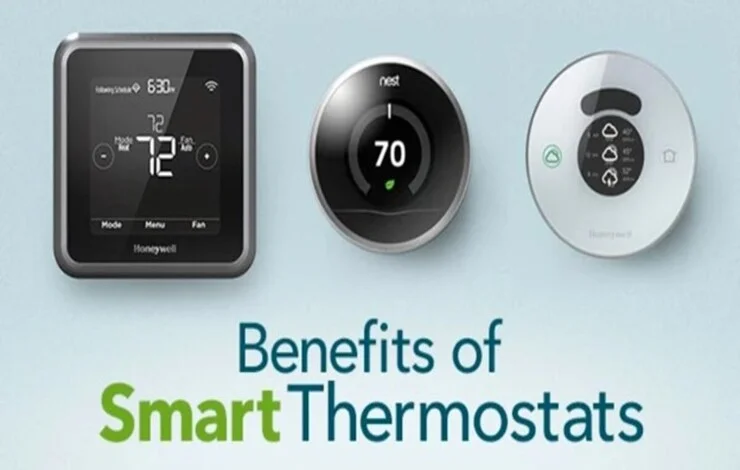
- Temperature Monitoring: Smart thermostats prevent dangerous temperature extremes that can endanger seniors
Building Your Smart Home for Aging in Place: A Step-by-Step Guide
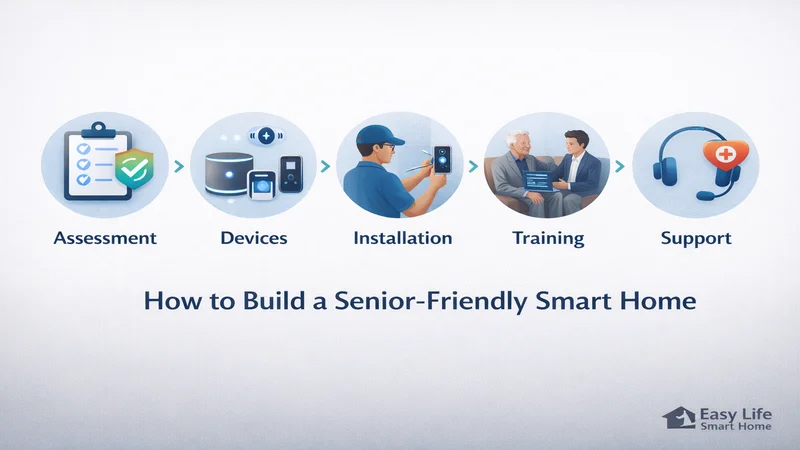
Step 1: Assess Your Needs and Priorities
Before purchasing any technology, evaluate the specific needs and challenges of the senior who will be aging in place. Consider their current health conditions, mobility limitations, cognitive status, and daily routine challenges.
Key assessment questions:
- What are the biggest safety concerns? (falls, wandering, medication management)
- What chronic health conditions require monitoring?
- How tech-savvy is the senior? Will they embrace or resist technology?
- Who will provide ongoing support and monitoring?
- What is the realistic budget for implementation and monthly subscriptions?
Step 2: Start Small and Build Gradually
Research shows that seniors are more comfortable adopting smart home technology gradually rather than having multiple devices installed simultaneously. Begin with 2-3 high-priority devices and add more as comfort levels increase.
Recommended starter devices:
- Voice assistant (Amazon Echo or Google Nest)
- Motion-activated nightlights for bathroom pathway
- Smart doorbell with video camera
These three devices address common safety concerns while introducing the senior to smart home benefits without overwhelming them. Once comfortable, add fall detection, medication management, or health monitoring devices based on specific needs.
Step 3: Choose Compatible Systems and Platforms
The Matter protocol has revolutionized smart home compatibility, allowing devices from different manufacturers to work together seamlessly. When selecting devices, look for Matter certification or compatibility with major platforms like Amazon Alexa, Google Home, or Apple HomeKit.
Platform considerations:
- Amazon Alexa: Widest device compatibility, excellent voice control, affordable
- Google Home: Strong AI integration, best for Android users
- Apple HomeKit: Most secure, ideal for iPhone/iPad users
Step 4: Consider Professional Installation and Setup
While many smart home devices are designed for DIY installation, professional setup ensures optimal configuration, reduces frustration, and provides training for seniors and caregivers. Companies like Best Buy’s Geek Squad, local smart home installers, and some senior care agencies offer installation services.
Professional installers can also conduct home assessments, recommending device placement for maximum effectiveness and ensuring strong Wi-Fi coverage throughout the home—critical for reliable operation of smart devices.
Step 5: Provide Ongoing Training and Support
Technology acceptance among seniors depends heavily on clear, patient training and readily available support. Create simple reference guides with large fonts, practice common voice commands together, and establish a support contact who can troubleshoot issues.
Training best practices:
- Focus on 3-5 essential functions initially rather than all features
- Create laminated quick-reference cards with common commands
- Schedule weekly check-ins during the first month
- Celebrate small successes to build confidence
Overcoming Common Challenges and Barriers to Adoption
Addressing Privacy and Dignity Concerns
Privacy concerns represent one of the most significant barriers to smart home technology adoption among seniors. Many resist constant monitoring, viewing it as invasive or infantilizing. These concerns must be acknowledged and addressed respectfully.
Strategies for preserving dignity while ensuring safety:
- Choose sensors over cameras whenever possible (motion sensors, door sensors)
- Use AI-powered systems that analyze patterns rather than constant live monitoring
- Implement cameras only in common areas, never bedrooms or bathrooms
- Provide transparency about what data is collected and who can access it
- Give seniors control over notification settings and monitoring schedules
Frame monitoring as safety assistance rather than surveillance. Emphasize how technology enables independence rather than restricts it. Many seniors become more accepting when they understand that monitoring helps them avoid nursing home placement.
Managing Resistance and Technology Anxiety
Approximately 60% of adults over 60 feel technology wasn’t designed with them in mind, leading to anxiety and resistance. However, studies show that once seniors experience the benefits of smart home technology firsthand, acceptance rates increase dramatically.
Techniques for reducing technology anxiety:
- Emphasize hands-free, voice-activated options that feel more natural
- Share success stories from peers rather than pushing from family
- Allow seniors to participate in device selection and setup decisions
- Start with fun, engaging features (music, games) before safety monitoring
- Arrange technology visits to senior centers or friends’ smart homes
Managing Costs and Finding Financial Assistance
While significantly more affordable than assisted living, smart home technology still requires upfront investment. Fortunately, several resources can help offset costs.
Financial assistance options:
- Medicare Advantage plans increasingly cover RPM devices
- Veterans Affairs benefits may cover assistive technology
- Medicaid waiver programs in many states fund aging-in-place technology
- Long-term care insurance policies may reimburse smart home devices
- Area Agencies on Aging offer grants and low-interest loans
Additionally, implementing smart home technology in phases spreads costs over time. Start with essential safety devices and add convenience features as budget allows.
The Future of Aging in Place: Emerging Technologies for 2025 and Beyond
Artificial Intelligence and Predictive Healthcare
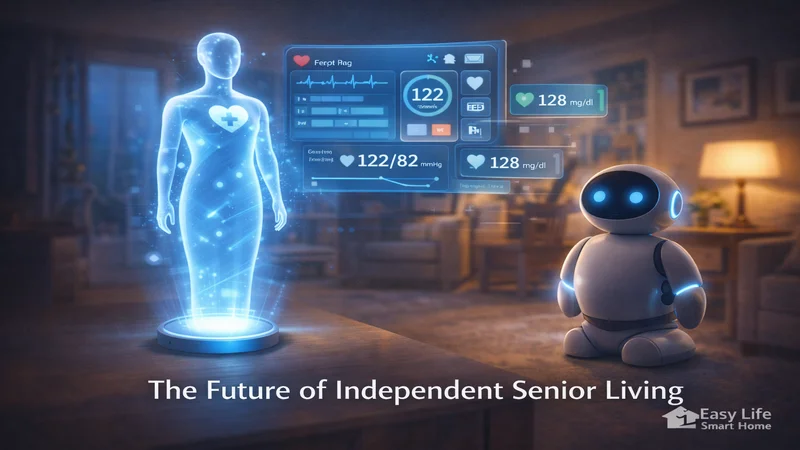
The AI-powered elderly care market is experiencing explosive growth, projected to reach $322.4 billion by 2034 with a compound annual growth rate of 21.2%. This growth is driven by AI’s ability to predict health events before they occur, enabling preventive intervention.
Advanced AI systems analyze patterns from multiple data sources, activity levels, sleep quality, medication adherence, vital signs, to predict falls, detect early signs of cognitive decline, or identify developing health conditions days or weeks before symptoms become obvious.
Companies like ElliQ are developing AI companions that provide social interaction, cognitive engagement, and proactive health monitoring through natural conversation. These systems learn individual preferences and adapt their communication style, reducing loneliness while monitoring wellbeing.
Robotics and Physical Assistance
Assistive robotics is moving beyond science fiction into practical home applications. Robotic vacuum cleaners have become commonplace, but emerging technologies include medication delivery robots, robotic walkers that prevent falls, and lifting assistance robots that help with transfers from bed to wheelchair.
Companion robots like Intuition Robotics’ ElliQ and Tombot’s robotic pets provide emotional support and cognitive stimulation, particularly valuable for seniors with dementia or those experiencing social isolation.
Seamless Telemedicine Integration
Telehealth adoption surged during COVID-19 and has remained high, with most Medicare Advantage plans offering virtual visits. Future smart homes will integrate telehealth directly into daily routines, with smart mirrors conducting health assessments, AI assistants scheduling appointments, and automatic vital sign transmission before virtual visits.
This integration reduces the burden on seniors who struggle with technology, making healthcare access as simple as talking to their voice assistant.
Next-Generation Smart Home Infrastructure
Home builders are beginning to incorporate aging-in-place technology into new construction, with smart wiring, sensor infrastructure, and universal design principles built in from the start. Renovations increasingly include smart home planning, making it easier to age in place without extensive retrofitting.
Future homes will feature invisible sensor networks embedded in walls, floors, and fixtures, gathering comprehensive data without visible devices or cameras that seniors might find intrusive.
Real Success Stories: How Smart Homes Are Transforming Senior Lives
Case Study: Managing Heart Failure at Home
Margaret, 78, was hospitalized three times in six months for congestive heart failure exacerbations. After implementing a smart home system including a connected scale, blood pressure monitor, and medication dispenser, her care team could track daily weight fluctuations indicating fluid retention.
When concerning trends appeared, her physician adjusted medications remotely through telehealth visits, preventing emergency room trips. Over the following 18 months, Margaret had zero hospitalizations, saving an estimated $85,000 in healthcare costs while maintaining independence at home.
Case Study: Preventing Falls Through Smart Lighting
Robert, 82, experienced two falls during nighttime bathroom trips. His daughter installed motion-activated pathway lighting from bedroom to bathroom and a Nobi Smart Lamp in the bathroom. The gradual illumination prevented sudden glare while the fall detection provided peace of mind.
Robert has remained fall-free for over two years, maintaining independence in his home. The total investment of $800 prevented potential injury, hospitalization, and possible nursing home placement that could have cost hundreds of thousands of dollars.
Case Study: Supporting Mild Cognitive Impairment
Dorothy, 76, was diagnosed with mild cognitive impairment and frequently forgot medications and appointments. Her son installed a voice assistant, smart medication dispenser, and smart doorbell with camera.
The voice assistant provides friendly medication reminders throughout the day, announces upcoming appointments, and helps Dorothy call family members when she can’t remember phone numbers. The smart doorbell prevents her from opening the door to strangers. These simple interventions have delayed progression to more intensive care needs by at least two years.
Conclusion: Empowering Independence Through Technology
Aging in place represents the preferred choice for the overwhelming majority of American seniors, and smart home technology is making this dream achievable even for those with health challenges that previously would have required institutional care.
From fall detection systems that provide instant emergency response to AI-powered health monitoring that prevents medical crises before they occur, today’s smart home technology offers unprecedented support for senior independence and safety.
The key to success lies in thoughtful implementation, assessing individual needs, starting with essential safety devices, providing adequate training and support, and gradually expanding capabilities as comfort with technology grows. When implemented with respect for seniors’ autonomy and dignity, smart home technology doesn’t diminish independence; it enhances and extends it.
As the technology continues advancing and costs continue declining, smart homes will become the standard rather than the exception for aging in place. The 72 million Americans who will be over 65 by 2030 deserve the opportunity to age with dignity, safety, and independence in the homes they love.
Smart home technology isn’t just about devices and sensors, it’s about maintaining autonomy, preserving dignity, and ensuring that growing older doesn’t mean giving up the place we call home.
Take the First Step Today
Ready to explore smart home solutions for yourself or a loved one? Here’s how to begin:
- Conduct a home safety assessment to identify priority areas
- Consult with your physician about medical monitoring needs and Medicare coverage
- Start with one or two devices and expand based on experience
- Connect with local Area Agencies on Aging for resources and support
- Consider professional installation to ensure optimal setup and training
The journey to aging in place successfully begins with a single step. Smart home technology makes that journey safer, more comfortable, and more sustainable than ever before. The future of senior care is here, and it’s happening at home.