Best Smart Home Hubs 2026 for Home Automation
Best Smart Home Hubs 2026: Top 10 Picks for Home Automation
We tested and ranked the best smart home hubs for 2026 — from beginner-friendly voice assistants to powerful local control systems — so you can find the perfect brain for your smart home setup.
The Samsung SmartThings Hub is the best smart home hub for most people in 2026 — it supports Zigbee, Z-Wave, Matter, and Wi-Fi, works with 5,000+ devices, and connects every major platform. For tech enthusiasts: Home Assistant. For Apple users: Apple HomePod mini. Best budget pick: Amazon Echo (4th Gen).
What Is a Smart Home Hub?
A smart home hub is the central device that connects, controls, and coordinates all your smart home devices from one place. Think of it as the brain of your smart home — it lets your lights, thermostat, locks, cameras, and sensors all talk to each other and respond to a single command or automation.
In 2026, the best smart home hubs support the new Matter protocol — a universal standard that lets devices from different brands work together seamlessly. This means your Philips Hue lights, Nest thermostat, and Yale smart lock can all be controlled through one hub regardless of the brand.
Top 10 Best Smart Home Hubs 2026
Here are the top smart home hubs tested and ranked for 2026, covering every budget, ecosystem, and use case:
Samsung SmartThings is the most versatile smart home hub in 2026. It speaks every major smart home language — Zigbee, Z-Wave, Matter, and Wi-Fi — so it works with virtually any device on the market. The 2026 version adds full Matter support and faster local processing so automations run instantly even without internet.
- Works with 5,000+ devices
- All 3 voice assistants supported
- Full Matter + Zigbee + Z-Wave
- Local control — no cloud needed
- Powerful automation routines
- App can feel complex for beginners
- Requires Ethernet connection
- No built-in speaker
Home Assistant is the most powerful smart home hub platform in 2026 — bar none. It runs entirely locally on your own hardware, meaning your automations work even when your internet is down and your data never leaves your home. The Home Assistant Green is a plug-and-play device for those who want maximum power without building their own system.
- 100% local — no cloud dependency
- Maximum privacy and data control
- 3,000+ integrations
- Completely free software
- Unlimited automation possibilities
- Steep learning curve for beginners
- Requires time to set up
- No official customer support
The Amazon Echo 4th Gen is the best 2-in-1 smart speaker and smart home hub in 2026. Its built-in Zigbee hub means you can connect Zigbee devices directly without a separate hub, and the new Matter support makes it compatible with the latest generation of smart devices. For Alexa households, this is the simplest and most affordable hub option.
- Speaker + hub in one device
- Built-in Zigbee hub
- Very affordable
- Easy setup for beginners
- Matter support included
- No Z-Wave support
- Alexa ecosystem only
- Cloud-dependent automations
The Apple HomePod mini automatically acts as an Apple HomeKit hub and Thread border router — no configuration needed. It is the best smart home hub for iPhone and iPad users in 2026, offering Siri voice control, Matter support, and Apple’s industry-leading privacy built in from day one.
- Automatic HomeKit hub
- Thread border router built-in
- Best-in-class privacy
- Compact and stylish design
- Matter support
- Apple ecosystem only
- No Zigbee or Z-Wave
- Limited non-Apple device support
The Google Nest Hub 2nd Gen is the best smart home hub with a visual dashboard in 2026. The 7″ touchscreen lets you see and control all your smart home devices at a glance — lights, cameras, thermostats — without picking up your phone. The built-in sleep tracking sensor is a unique bonus for bedroom setups.
- Visual touchscreen dashboard
- Google Assistant built-in
- Unique sleep tracking sensor
- Matter support
- Great for kitchen or bedroom
- No camera (privacy feature)
- No Zigbee or Z-Wave
- Google ecosystem best
Hubitat C-8 Pro is the best local smart home hub for Z-Wave heavy setups in 2026. All automations run 100% locally — no cloud, no subscription, no data sharing. Faster response times than any cloud-based hub, making it ideal for reliability-critical setups like smart locks and security systems.
The Echo Show 10 is the premium Amazon hub experience with a motorized screen that follows you around the room. Built-in Zigbee hub, camera for video calls and home monitoring, and full Alexa Plus 2026 AI features make this the most capable Amazon device for smart home control.
At under $50, the Echo Dot 5th Gen with its built-in Eero Wi-Fi extension and Matter support is the best starter smart home hub in 2026. Perfect for beginners who want to try smart home automation without a big investment.
The Aqara Hub M3 is the best value smart home hub in 2026 for HomeKit users who also want Zigbee device support. The built-in IR blaster lets you control any remote-controlled device — TVs, AC units, fans — making it exceptionally versatile for its price.
For DIY enthusiasts, building a Home Assistant server on a Raspberry Pi 4 or 5 gives the most customizable smart home hub experience possible in 2026 — at around $60–$80 total cost. Add a Zigbee USB dongle for under $20 and you have a full multi-protocol hub with complete local control.
Quick Comparison Table — Best Smart Home Hubs 2026
| Hub | Price | Zigbee | Z-Wave | Matter | Local Control | Best For |
|---|---|---|---|---|---|---|
| SmartThings | ~$129 | ✔ | ✔ | ✔ | ✔ | Most users |
| Home Assistant | ~$99 | ✔ | ✔ | ✔ | ✔ | Tech enthusiasts |
| Amazon Echo | ~$99 | ✔ | ✘ | ✔ | ✘ | Alexa users |
| HomePod mini | ~$99 | ✘ | ✘ | ✔ | Partial | Apple users |
| Nest Hub | ~$99 | ✘ | ✘ | ✔ | ✘ | Google users |
| Hubitat C-8 Pro | ~$149 | ✔ | ✔ | ✔ | ✔ | Z-Wave / local |
| Aqara M3 | ~$89 | ✔ | ✘ | ✔ | Partial | HomeKit + value |
Smart Home Protocols Explained — Matter, Zigbee, Z-Wave (2026)
Matter — The New Universal Standard
Matter is the most important development in smart home technology in recent years. Launched in 2022 and now fully mature in 2026, Matter is a universal protocol that lets devices from different brands work together natively — no workarounds needed. When buying a smart home hub in 2026, Matter support is essential for future-proofing your setup.
Zigbee — The Reliable Mesh Network
Zigbee is a low-power wireless protocol that creates a mesh network — every Zigbee device acts as a signal repeater, extending range throughout your home. It is faster and more reliable than Wi-Fi for smart home devices and works with thousands of products from Philips Hue, Aqara, IKEA, and many others.
Z-Wave — Best for Security Devices
Z-Wave operates on a different frequency to Wi-Fi and Zigbee, meaning less interference and more reliable connections. It is preferred for security-critical devices like smart locks, sensors, and alarms because of its dedicated frequency and mesh networking capability. If you have Z-Wave devices, you need a hub that specifically supports Z-Wave.
- Just starting out: Matter + Wi-Fi is enough for most new devices
- Have Philips Hue, IKEA, Aqara devices: Need Zigbee support
- Have smart locks, sensors, alarms: Need Z-Wave support
- Want everything to work together: SmartThings or Hubitat (support all protocols)
Key Features to Look For in a Smart Home Hub 2026
1. Protocol Support
The more protocols a hub supports, the more devices it can connect. The best smart home hubs in 2026 support Matter, Zigbee, Z-Wave, and Wi-Fi simultaneously — giving you maximum device compatibility now and in the future.
2. Local vs Cloud Control
Cloud-dependent hubs require an internet connection for automations to work — if your internet goes down, your smart home stops responding. Local control hubs like Home Assistant and Hubitat run entirely on your home network, meaning faster response times and reliability even during internet outages.
3. Voice Assistant Compatibility
Check which voice assistants your hub supports before buying. SmartThings supports Alexa, Google Assistant, and Siri. Amazon Echo supports only Alexa. HomePod mini supports only Siri. If you use multiple voice assistants in different rooms, choose a hub that supports all three.
4. Automation Engine
The best smart home hubs offer powerful automation engines that let you create complex routines — “when I leave home, turn off all lights, lock the door, and set thermostat to eco mode.” Look for hubs with if/then/else logic, time-based triggers, and location-based triggers (geofencing).
Best Smart Home Hub by Platform 2026
- Amazon Alexa users: Amazon Echo (4th Gen) or Echo Show 10
- Google Home users: Google Nest Hub (2nd Gen)
- Apple HomeKit users: Apple HomePod mini
- Multi-platform users: Samsung SmartThings
- Privacy-first users: Home Assistant Green or Hubitat C-8 Pro
- Budget buyers: Amazon Echo Dot (5th Gen)
- DIY enthusiasts: Raspberry Pi + Home Assistant
Do You Actually Need a Smart Home Hub in 2026?
With the rise of Matter in 2026, many smart devices can now connect directly to your Wi-Fi router without a dedicated hub. If you only have a handful of Wi-Fi smart devices from one brand, you may not need a separate hub at all.
However, a dedicated smart home hub becomes essential when you have devices from multiple brands, Zigbee or Z-Wave devices that need a coordinator, or when you want complex cross-device automations that run reliably. A hub also gives you a single app to control everything instead of juggling six different brand apps.
How to Set Up a Smart Home Hub — Step by Step
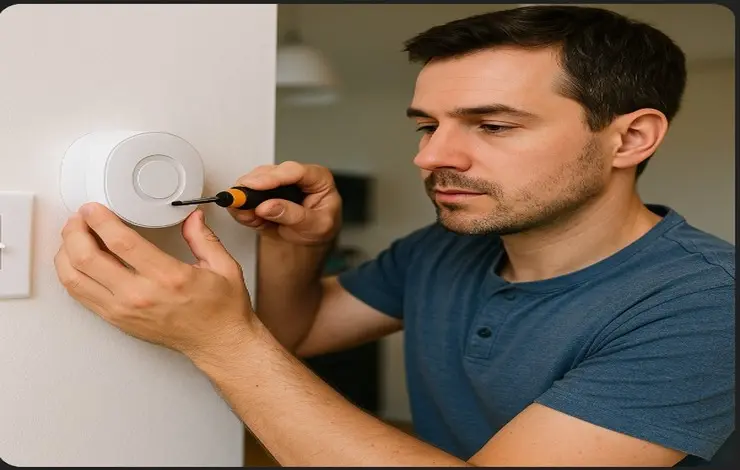
Setting up most smart home hubs in 2026 takes under 30 minutes. The basic process is: connect the hub to your router via Ethernet or Wi-Fi, download the hub’s app, create an account, and then add your smart devices one by one through the app’s device discovery process. Most modern hubs auto-discover Matter and Zigbee devices in seconds.
Smart Home Hub vs Smart Speaker vs Controller — 2026
| Feature | Smart Hub | Smart Speaker | Smart Controller |
|---|---|---|---|
| Device Coordination | ✔ | Limited | ✔ |
| Voice Control | Via integration | ✔ Built-in | ✘ |
| Zigbee/Z-Wave | ✔ (most) | Some (Echo) | ✘ |
| Local Control | ✔ (some) | ✘ | ✔ |
| Music Playback | ✘ | ✔ | ✘ |
| Complex Automations | ✔ | Basic | ✔ |
Smart Home Hub Buying Guide 2026 — Which One Is Right for You?
- Best overall — most device types: Samsung SmartThings Hub
- Best for maximum control + privacy: Home Assistant Green
- Best budget hub under $100: Amazon Echo (4th Gen)
- Best for Apple / HomeKit: Apple HomePod mini
- Best display hub: Google Nest Hub 2nd Gen
- Best for Z-Wave devices: Hubitat Elevation C-8 Pro
- Best value HomeKit hub: Aqara Hub M3
- Best for beginners: Amazon Echo Dot 5th Gen
- Best DIY hub: Raspberry Pi + Home Assistant
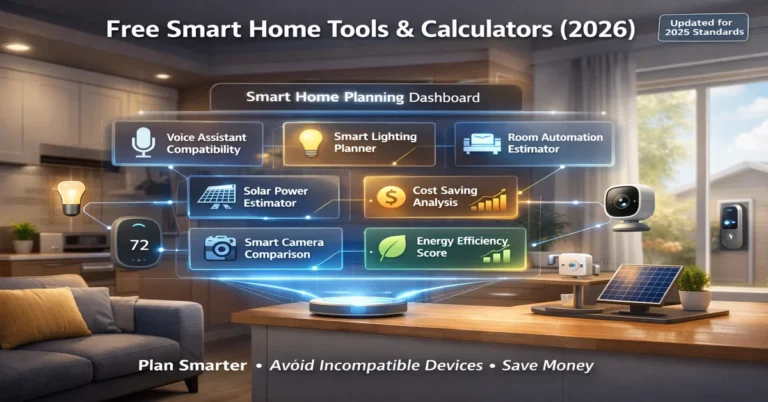
🏠 Plan Your Smart Home Setup
Use our free tools to estimate costs and plan which hub and devices work best for your home.
Try Free Smart Home Tools →Frequently Asked Questions — Best Smart Home Hubs 2026
Conclusion — Best Smart Home Hub for 2026
Choosing the best smart home hub in 2026 comes down to your devices, ecosystem, and how much control you want. The Samsung SmartThings Hub remains the top overall pick — its support for Zigbee, Z-Wave, Matter, and all three major voice assistants makes it the most versatile and future-proof option for most homes.
If you are fully invested in Apple, the HomePod mini is the simplest and most elegant HomeKit hub. For maximum power and privacy, Home Assistant is unmatched. And for anyone just starting their smart home journey, the Amazon Echo with its built-in Zigbee hub offers the easiest path to a connected home at an accessible price.
Whatever hub you choose, make sure it supports Matter — the universal protocol that ensures your devices work together today and with whatever comes next in smart home technology.