How to Use Smart Plugs to Reduce Energy Consumption in 2026
How to Use Smart Plugs to Reduce Energy Consumption in 2026
Smart plugs are the easiest and cheapest way to cut your electricity bill in 2026 — eliminating phantom power, automating schedules, and monitoring energy use in real time from your phone.
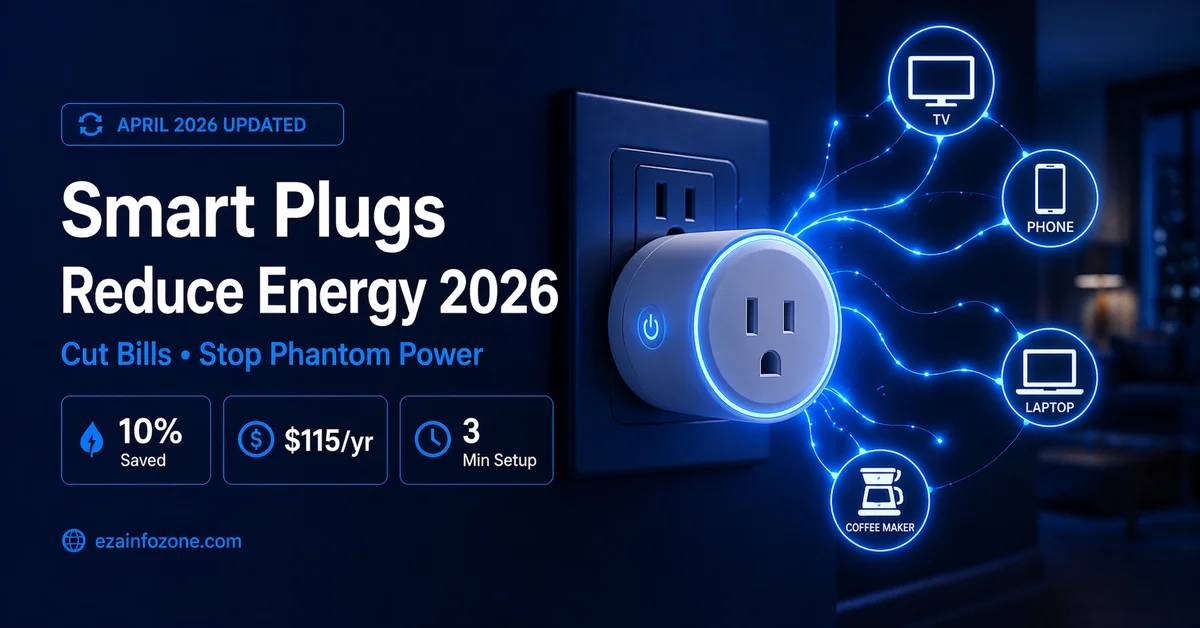
Smart plugs reduce energy consumption by eliminating standby phantom power (which wastes 10% of home electricity), automating schedules so devices run only when needed, and providing real-time energy monitoring to identify power-hungry appliances. The best smart plug for energy saving in 2026 is the TP-Link Kasa EP25 — it monitors energy use per device and pays for itself in under 3 months.
- What Is a Smart Plug and How Does It Work?
- The Phantom Power Problem — What Smart Plugs Solve
- How to Use Smart Plugs to Reduce Energy — Step by Step
- How Much Energy Do Smart Plugs Actually Save?
- Best Smart Plugs for Energy Saving 2026
- Quick Comparison Table
- Smart Plug Setup Guide 2026
- Best Devices to Put on a Smart Plug
- Smart Plugs + Water Management — Combined Energy Saving
- Smart Plug Automation — Full Home Energy System
- Buying Guide 2026
- FAQs
What Is a Smart Plug and How Does It Work?
A smart plug is a small device that plugs into any standard wall outlet and sits between the outlet and your appliance. Once connected to your Wi-Fi, it lets you control power to any device remotely through a smartphone app, voice commands, or automatic schedules — without any rewiring or professional installation.
In 2026, the best smart plugs support the Matter protocol, meaning they work with Amazon Alexa, Google Home, and Apple HomeKit simultaneously. They also provide real-time energy monitoring, showing exactly how many watts each device draws and calculating monthly cost automatically.
The Phantom Power Problem — What Smart Plugs Solve
Phantom power — also called standby power or vampire power — is electricity consumed by devices that are plugged in but not actively in use. Every TV in standby mode, every phone charger left in the wall, every gaming console waiting for a controller press is silently drawing power 24 hours a day.
Research shows phantom power accounts for 5–10% of the average home’s total electricity bill. For a household spending $1,500 per year on electricity, that is $75–$150 wasted on devices doing absolutely nothing useful. Smart plugs cut this to zero by automatically cutting power on a schedule or when your smart home detects you have left.
- TV + cable box: 15–30W in standby — one of the worst offenders
- Gaming console: 10–15W in standby — adds up fast with multiple consoles
- Microwave: 3–5W constantly just to show the clock
- Phone/laptop chargers: 0.5–2W each, multiplied by every outlet in the house
- Coffee maker: 1–5W in standby with a digital display
- Printer: 5–10W in sleep mode
How to Use Smart Plugs to Reduce Energy — Step by Step
Identify Your Highest Standby Devices
Walk through your home and note every device that stays plugged in when not actively used — TV, gaming console, microwave, coffee maker, phone chargers, printer. These are your priority targets for smart plug installation.
Install Smart Plugs on High-Waste Devices
Plug the smart plug into the wall outlet, plug your device into the smart plug, then follow the app setup. Most smart plugs take under 3 minutes to set up. Start with the TV entertainment center — it is typically the biggest standby power drain in any home.
Set Up Automatic Schedules
In the smart plug app, create schedules that match real usage patterns. For example: TV power on at 6 PM, off at 11 PM automatically. Coffee maker on at 7 AM, off at 9 AM. These schedules run every day without any manual action needed.
Enable Geofencing Automation
Connect your smart plugs to your smart home hub or voice assistant and set up location-based rules. When you leave home, all non-essential devices automatically switch off. When you return, they power back on. This single automation eliminates the most common source of wasted energy — forgetting to turn things off when leaving.
Use Energy Monitoring to Find Hidden Waste
Enable energy monitoring in your smart plug app and check the weekly report after one month. You will likely find one or two surprising devices consuming far more than expected. Use this data to prioritize which devices to upgrade or replace with more efficient models.
How Much Energy Do Smart Plugs Actually Save in 2026?
The savings from smart plugs depend on how many phantom power devices you have and how consistently you use scheduling and geofencing. Here is a realistic breakdown based on average household device usage:
A set of 4 smart plugs costs around $40–$60 total in 2026. With $115+ in annual savings, the payback period is well under 6 months — making smart plugs the fastest-returning energy investment in any smart home.
Best Smart Plugs for Energy Saving 2026
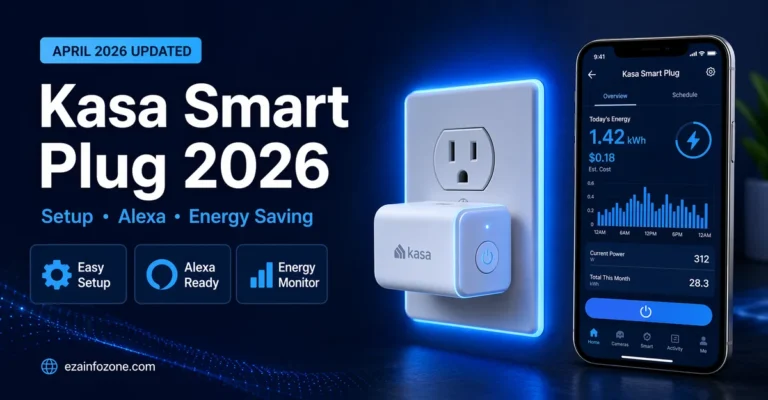
The TP-Link Kasa EP25 is the best smart plug for energy saving in 2026. Matter support means it works with every major platform, real-time energy monitoring shows exact watt usage per device, and the scheduling is the most intuitive of any plug tested. At $17 per plug it delivers premium features at a mid-range price.
- Full Matter support
- Real-time energy monitoring
- Works with all 3 voice assistants
- Excellent Kasa app
- Affordable price
- Slightly bulkier than some rivals
- No USB ports
The Amazon Smart Plug is the easiest and cheapest way to start saving energy with smart plugs in 2026. It sets up in under 30 seconds with Alexa, supports Matter, and delivers solid scheduling features. No energy monitoring means you cannot see device-level usage, but for basic phantom power elimination it is unbeatable value.
The Eve Energy is the best smart plug for Apple HomeKit users in 2026. Thread protocol creates a mesh network that improves reliability and speed across all Thread devices, and the local processing means your automations work without internet. Real-time energy monitoring with historical data in the Eve app is the best in class for iOS users.
The Wemo Insight provides the most detailed energy reporting of any smart plug in 2026 — tracking daily, weekly, and monthly consumption with cost calculations based on your local electricity rate. Ideal for households serious about understanding and reducing their exact energy footprint.
The Kasa EP40 brings smart plug energy saving outdoors in 2026 — controlling garden lights, outdoor heaters, and holiday decorations automatically. Dual outlets let you control two devices independently, and the weatherproof IP44 rating handles rain and moisture without issue.
Quick Comparison — Best Smart Plugs for Energy Saving 2026
| Smart Plug | Price | Energy Monitor | Matter | HomeKit | Best For |
|---|---|---|---|---|---|
| Kasa EP25 | ~$17 | ✔ | ✔ | ✔ | Best Overall |
| Amazon Smart Plug | ~$13 | ✘ | ✔ | ✘ | Budget/Beginners |
| Eve Energy | ~$39 | ✔ | ✔ | ✔ | Apple/HomeKit |
| Wemo Insight | ~$35 | ✔✔ | ✔ | ✔ | Energy Tracking |
| Kasa EP40 | ~$25 | ✔ | ✔ | ✘ | Outdoor Use |
Smart Plug Setup Guide 2026 — How to Install in 3 Minutes
Setting up a smart plug in 2026 is genuinely simple — no tools, no wiring, no electrician needed. The process is the same across all major brands: plug into wall, plug device in, open app, scan QR code or hold button, connect to Wi-Fi, done. The entire process takes under 3 minutes for most users on first attempt.
- 2.4GHz Wi-Fi network (most smart plugs don’t support 5GHz)
- Smart plug app downloaded before starting
- Device within range of your Wi-Fi router
- Voice assistant app (Alexa/Google Home) for voice control setup
- Location permissions enabled for geofencing features
Best Devices to Put on a Smart Plug for Maximum Savings
Not every device benefits equally from a smart plug. These are the highest-impact devices to prioritize for maximum energy reduction in 2026:
| Device | Standby Power | Annual Waste | Smart Plug Savings/yr |
|---|---|---|---|
| TV + Cable/Satellite Box | 15–30W | $25–$50 | Up to $50 |
| Gaming Console | 10–15W | $15–$25 | Up to $25 |
| Desktop Computer | 5–20W | $10–$35 | Up to $30 |
| Microwave | 3–5W | $5–$10 | Up to $10 |
| Coffee Maker | 1–5W | $2–$10 | Up to $10 |
| Printer | 5–10W | $8–$17 | Up to $15 |
| Phone/Laptop Chargers | 0.5–2W each | $1–$4 each | Up to $4 per charger |
Smart Plugs + Water Management — Combined Home Energy Saving
Smart plugs handle electricity waste, but a complete home energy saving strategy in 2026 also includes water consumption. Smart water pumps, water heaters, and irrigation systems connected to smart plugs can be automated to run only during off-peak hours or when solar production is highest — combining electricity and water savings in a single automated system.
For example, connecting your water heater to a smart plug and scheduling it to heat only during off-peak electricity rate hours (typically 11 PM–7 AM) can reduce water heating costs by 20–30% with zero change in your daily routine.
Smart Plug Automation — Building a Full Home Energy System
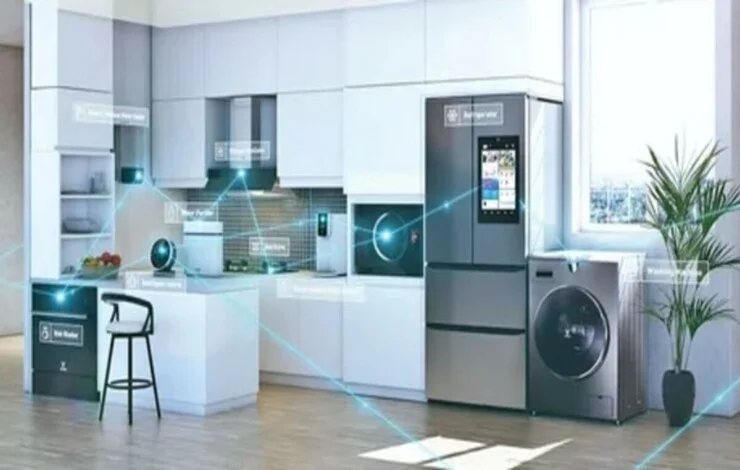
Smart plugs are most powerful when integrated into a broader smart home automation system. A well-designed home energy routine uses smart plugs, smart thermostat, smart lighting, and sensors working together to minimize consumption automatically throughout the day.
The key question many homeowners face when building this system is whether the benefits of full automation justify the complexity and cost. Understanding both sides of this decision helps you build a system that genuinely fits your lifestyle rather than creating maintenance overhead.
Smart Plug Buying Guide 2026 — Which One Is Right for You?
- Best overall energy saving: TP-Link Kasa EP25 — Matter + monitoring + best value
- Best budget — just getting started: Amazon Smart Plug at ~$13
- Best for Apple HomeKit users: Eve Energy with Thread
- Best detailed energy tracking: Wemo Insight Smart Plug
- Best for outdoor devices: TP-Link Kasa EP40 Outdoor
- Best for Alexa heavy household: Amazon Smart Plug — instant setup
- Best for privacy-first users: Eve Energy — no cloud required
🏠 Calculate Your Smart Plug Savings
Use our free energy calculator to estimate exactly how much smart plugs could save your household in 2026.
Try Free Energy Calculator →Frequently Asked Questions — Smart Plugs and Energy Saving 2026
Conclusion — Smart Plugs for Energy Saving in 2026
Smart plugs are the simplest, cheapest, and fastest-payback energy saving upgrade available for any home in 2026. By eliminating phantom standby power, automating schedules, and providing real-time energy monitoring, a set of four smart plugs can save $100–$150 per year at a total cost of under $60 — paying for themselves in under 6 months.
Start with the TP-Link Kasa EP25 for the best combination of energy monitoring, Matter support, and value. Put your first plug on the TV entertainment center — it delivers the fastest payback of any single placement. Add scheduling and geofencing automation, and your smart plugs will silently save energy every day without any further effort on your part.